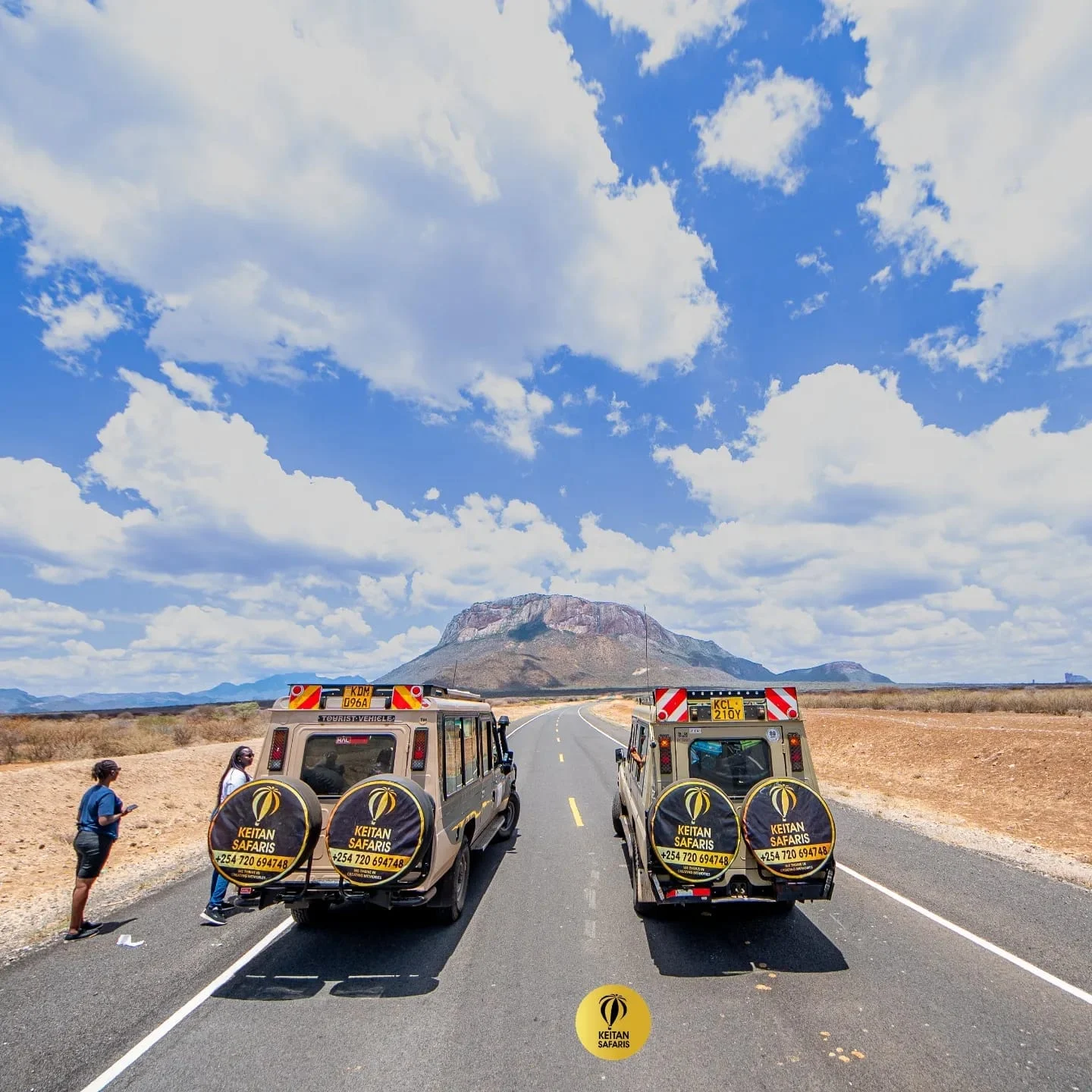

Mountainous, misty yet effortlessly breathtaking, this park features a dense montane forest and three crater lakes that provide a haven for a variety of birdlife, mammals and reptiles. The forested mountain rises spectacularly from the middle of a desert wilderness and provides the only source of permanent surface water in the region. The park is a refuge for the huge tusked bull elephants and the most famous elephant named Ahmed was his home until he died at an estimated age of 63 years. A model of elephant Ahmed now stands tall at the National Museum of Kenya in Nairobi.
The extinct volcanic craters locally known as gofs around the Park make Marsabit such a wonderland. Located on the eastern side of the Park, Gof Bongole is the largest and the stagiest of the craters with a dizzying 10 kilometer round rim. The natural amphitheater of Gof Sokorte Guda has a 150 meters high caldera that shelters the fresh waters of Lake Paradise. Most of these craters are home to a diverse number of bird species.
Originally, part of this park took in Shaba, Samburu, Buffalo Springs and the Losai National Reserve, the park was designated a national reserve in its own right. It was a nomadic rangeland and the drought land of the Rendille herdsmen. Its name means “Mountain of Cold”.
The park is an overflowing adventure destination depicting an array of endless activity options awaiting the nature enthusiasts. Sometimes the only therapy the human mind, body and soul craves and thirsts for is the simple yet magically refreshing moments in the quietude of space and time just sitting in pin drop silence, well, save for the in-between chirping bird sounds, trumpeting away elephants.